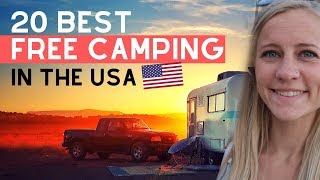
Why pay when you can stay for free?
If there’s one thing that makes vanlife or RV living truly magical, it’s exploring new places without breaking the bank. Forget pricey RV parks — with thousands of miles of public lands out there, you can camp for free and wake up to million-dollar views. Whether you’re a seasoned road warrior or just kicking off your first adventure, learning how to find free campsites across the U.S. will turn expensive vacations into affordable, unforgettable journeys.
Table of Contents
Understanding public lands: Where can you camp?
Bureau of Land Management (BLM) land
The BLM manages millions of acres, mostly out west, offering some of the wildest, most beautiful free campsites you’ll ever see. Most areas let you stay up to 14 days in one spot. After that, you’ll need to move at least 25 miles to keep the land (and the vibe) fresh for everyone.
National forests
National forests are free camping gold mines. Like BLM land, they typically allow 14-day stays, though rules can vary. Campsites here range from hidden forest pull-offs to epic mountaintop perches — it’s tough to beat a cup of coffee above the clouds.
Wildlife management areas (WMAs)
Often overlooked, WMAs offer free camping in many states. Rules and permits vary a lot, so double-check before rolling up — but if you love secluded, wildlife-rich spots, they’re worth it.
Army Corps of Engineers land
These areas, often around lakes and reservoirs, offer dispersed camping gems, especially in quieter, rural zones. Perfect for paddleboarding mornings or sunset swims right outside your rig.
How to find free campsites: Websites and apps
- iOverlander – A go-to community-driven app loaded with free (and budget) spots, complete with reviews, cell service notes, and road condition tips.
- Campendium – Loved by digital nomads for detailed reviews, photos, and solid info on cell coverage.
- FreeCampsites.net – Simple, focused, and packed with free camping coordinates and user feedback.
- Allstays Camp & RV – Covers everything from Walmart lots to dreamy forest pull-outs.
- Recreation.gov – Best known for reservations, but also helps you locate free dispersed camping on federal lands.
Rules for overnight stays on public land
The 14-day limit rule
Most public lands let you camp up to 14 days in one spot during a 28-day period. After that, it’s time to roll at least 25 miles down the road. It helps protect the land — and keeps the adventure rolling for everyone.
Leave No Trace principles
Free camping comes with big responsibility. Always pack out your trash, dispose of waste properly, and leave the landscape exactly as you found it (or better!).
Campfire rules and restrictions
Especially during dry seasons, fire restrictions are common. Always check local rules. Many travelers opt for propane fire pits, which are often allowed even when wood fires aren’t.
Additional resources for finding free camping
- U.S. Forest Service website – Official info on camping in national forests.
- Bureau of Land Management website – Your go-to source for BLM camping rules and site details.
Practical tips for finding the perfect free campsite
- Arrive during daylight: Scouting in the dark = unnecessary stress (and maybe a banged-up bumper).
- Scout ahead virtually: Check Google Maps or Earth for a sneak peek at road conditions and clearings.
- Check cell coverage: Apps like Campendium and iOverlander often share reception info — lifesaver for remote work or emergencies.
- Read recent reviews: Things change fast — make sure the site is still a good bet.
- Have backup options: Always pin a Plan B. Sites fill up, roads wash out — better safe than sorry.
What about overnight parking in cities?
Urban free camping is trickier, but doable. Some Walmarts, Cracker Barrels, casinos, and rest areas allow overnight parking — but always call ahead. For a deep dive into urban stealth, check our city stealth camping guide.
Safety first: Tips for secure free camping
- Trust your instincts: If a site feels sketchy, bounce. No questions asked.
- Know your neighbors: Friendly waves build community — and an extra set of eyes always helps with safety.
- Keep emergency supplies: Stock a solid first aid kit, extra water, and a way to communicate (check out our emergency communication guide).
Respecting wildlife and nature
Seeing wildlife is one of the biggest perks of camping on public land. Keep animals wild by observing from a distance, securing your food, and never feeding critters (no matter how cute those chipmunk faces are).
Managing waste on the road
No facilities? No problem — if you plan ahead. Portable toilets, biodegradable bags, and proper dump stations are must-haves. Learn more about your options in our full toilet guide.
Community and etiquette on public lands
Free camping is better when everyone’s cool. Respect space, keep noise down, limit generator use, and lend a hand if someone needs it. Good vibes make great campsites even better.
Adventure awaits: Find your perfect free campsite
Finding free campsites isn’t just about saving cash — it’s about freedom, flexibility, and uncovering incredible hidden spots. With the right apps, some common sense, and a spirit of adventure, you’ll unlock some of the best camping North America has to offer, all without spending a dime. Grab your maps, load your apps, and get ready to chase sunsets from coast to coast.
Happy camping!
Be inspired on YouTube
20 Best Free Camping Spots in USA