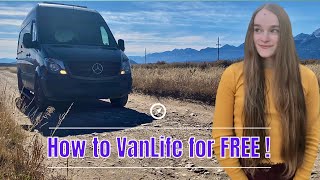
Boondocking 101: wild camping, no hookups, full freedom
If you’ve dipped a toe into the vanlife or RV scene, you’ve probably heard the word “boondocking” tossed around like a secret code. And while it might sound like cowboy slang or the name of an outlaw, it’s really just the ultimate off-grid camping experience. No hookups, no campground fees, and no neighbors watching you cook eggs in your pajamas. It’s you, your rig, and nature (or a Walmart parking lot). Pure, gritty freedom.
Table of Contents
But is it actually possible to live this way full-time? Can you boondock without sacrificing showers, power, or sanity? Yep—and here’s how to do it right.
So what *is* boondocking, really?
Boondocking (also known as dry camping, wild camping, or dispersed camping) means camping without traditional utilities. You’re not plugged into anything—no power, no water, no sewer hookups. Just you and your self-contained setup.
Types of boondocking:
- Wilderness boondocking: Off-grid camping on public lands like BLM areas and national forests.
- Urban boondocking: Overnighting in city spots—think store parking lots or rest areas.
- Stealth camping: Flying under the radar in cities, parked like you’re just another vehicle. More on stealth camping here.
Can you really live off-grid full-time?
Totally. Thousands of nomads do it. But it’s not for the unprepared. You’ll need the right gear, a bit of grit, and a mindset shift. It’s less about convenience, more about creativity and resourcefulness. But when it means waking up to red rock canyons or fog-draped forests—without paying a dime for rent—it’s worth it.
Your off-grid essentials: power, water, waste & Wi-Fi
1. Power: keep the lights (and fridge) running
Solar is king. Combine it with a good battery bank and inverter, and you’ve got an energy setup that’ll keep your fridge humming, your laptop charged, and your lights twinkling.
- Solar panels: 200–400W is solid for vanlifers
- Battery bank: Lithium’s pricey but worth it
- Inverter: For running AC-powered devices
Want to stretch your solar farther? Check our power-saving tips.
2. Water: never take it for granted
Boondocking teaches you just how much water you really use. A 20-gallon tank might last a week with smart habits. Every drop counts.
- Use spray bottles for cleaning
- Wash dishes with minimal water
- Find refill stations using iOverlander or FreeCampsites.net
3. Waste: manage it like a pro
Toilet talk time. Whether you’re into composting, cassette toilets, or digging cat holes in the woods, having a plan is essential.
- Composting toilet: Low maintenance, great for off-grid
- Portable toilet: Easy to dump at RV stations
- Grey water: Use biodegradable soap and dump responsibly
Explore all your toilet options here.
4. Cooking: yes, you can still eat real meals
- Propane stoves: Simple and reliable
- Portable fridges: Pair perfectly with solar setups
- Minimalist cookware: One-pot meals are your new BFF
5. Staying connected
Need to work from your van—or just want to stream a little Netflix under the stars?
- Unlimited data plans with mobile hotspots
- Signal boosters like WeBoost can make a big difference
- Starlink = remote internet, even in the boonies
More tips here on off-grid internet.
Where do you *actually* boondock?
Some of the best spots are free—and stunning. Start with:
- BLM land (mostly Western U.S.)
- National forests
- State trust land (permits may be required)
- Apps like Campendium, iOverlander, and FreeCampsites.net
Pros & cons of boondocking
Why it rocks:
- Free camping = budget-friendly lifestyle
- Gorgeous, remote campsites
- No neighbors (or at least fewer of them)
Why it’s challenging:
- Limited access to water and dump stations
- Weather and cell service can be unpredictable
- You’ve gotta be prepared—no calling the front desk
How long can you stay off-grid?
That depends on your resources. A solid setup can get you 7–14 days or more before needing to refill water, dump waste, or top off fuel. Experienced boondockers learn to stretch supplies and rotate spots with nearby town visits.
Boondocking etiquette: don’t be that person
- Pack out ALL your trash
- Dump only in legal, designated places
- Respect local wildlife and rules
- Keep noise (and lights) to a minimum
Final thoughts: off-grid life is raw, rewarding, and worth it
Boondocking strips life back to the basics—power, water, food, freedom. And in that simplicity, you’ll find some of the richest experiences vanlife has to offer. It takes effort and intention, but the reward is a kind of freedom you won’t find in a KOA.
So stock up, charge up, and don’t forget your shovel. Off-grid bliss is calling.
Want more off-grid tips? Start with our guides to solar + wind power systems and essential vanlife gear.
Be inspired on YouTube
How to VanLife for FREE – Bulletproof Boondocking Strategies